
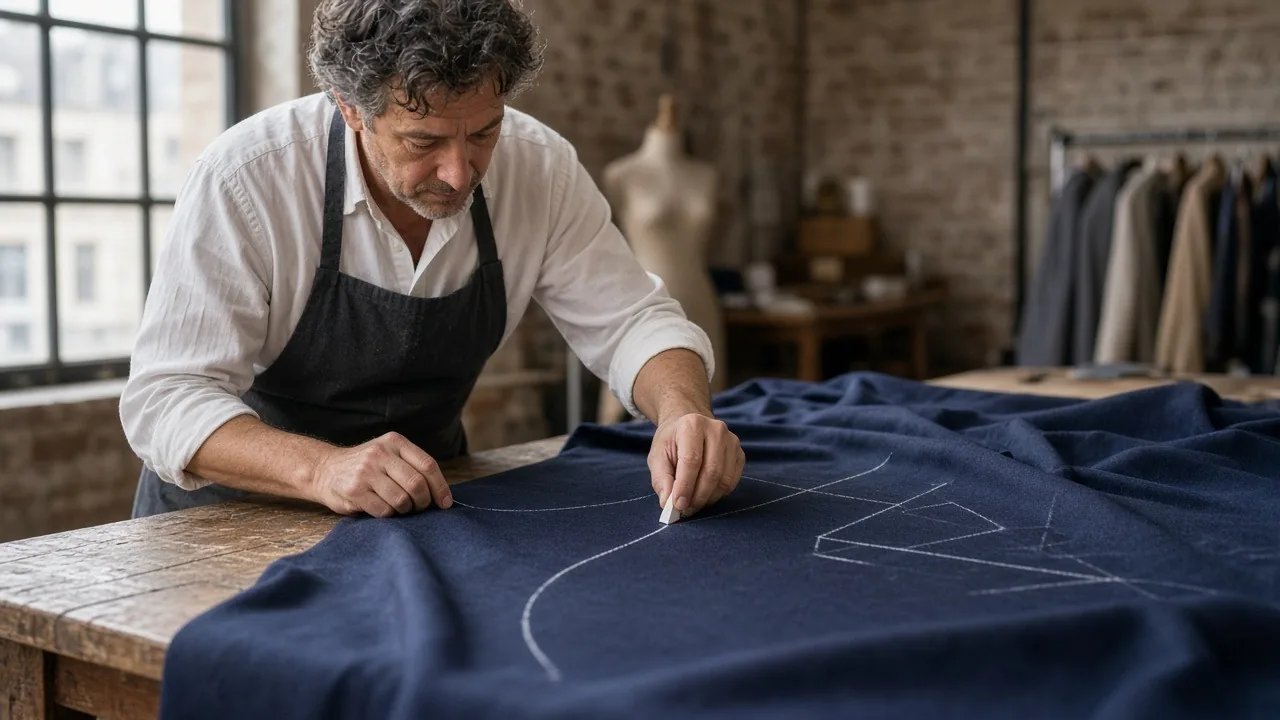
Yes — tailoring and alteration shops can get funding, and most of it pays for industrial sewing and pressing equipment, extra hands for wedding and prom season, and the slow weeks in between. Funders look at your deposits, time in business and what the money will buy. One 2-minute application matches you to the funders whose guidelines you meet.
Why is funding different for a tailoring or alteration shop?
A tailoring shop is funded on a steady stream of small tickets rather than a few large invoices. Hems, take-ins and zipper repairs are usually paid at pickup, custom suits and bridal work take a deposit up front, and demand bunches into a few predictable peaks: spring and early-summer weddings, prom, graduation and the holiday party season. The money question is usually timing — payroll and supplies rise weeks before the busy season pays for them.
It is also a trade of very small firms. Tailoring and garment alteration falls in a broad Census Bureau repair category (NAICS 811490, other personal and household goods repair), and in the 2022 Statistics of U.S. Businesses that category had 10,622 employer firms, 8,633 of them — about 81% — with fewer than five employees. Those small firms averaged roughly $260,000 in annual receipts. Funders that understand that profile read a one- or two-person shop on its deposit pattern, not on the balance sheet of a factory.
What funding options fit tailoring and alteration shops?
Match the product to what you are paying for. A blind-stitch machine that lasts ten years is a different need from three months of extra wages before wedding season.
- Equipment financing: for industrial lockstitch and blind-stitch machines, sergers, buttonhole machines, steam presses and fitting-room build-outs, with the equipment as collateral.
- Business line of credit: for seasonal wages, thread, linings and cloth for custom orders, drawn when you need it and repaid as the busy season pays out.
- SBA microloan: a smaller, slower option made through nonprofit intermediaries, often a fit for a new shop or a first location that banks consider too small.
- Merchant cash advance: a fast option repaid as a share of card sales; generally costlier, so compare it against a line before using it for routine expenses.
How do you fund wedding season and other busy periods?
Fund the season, not the year. The common mistake is taking a lump sum in March and paying for idle money in August. A revolving line drawn as the bookings arrive and cleared as the gowns and suits are collected follows the shop’s own cash cycle, and it is easier to size because last year’s bookings tell you roughly what the peak will need.
A simple illustration: a shop books more bridal fittings than one tailor can handle between April and June, so it adds a part-time seamstress for 12 weeks at 25 hours a week. At an illustrative $20 an hour that is $6,000 in extra wages, most of it paid before the final balances come in at pickup. Drawing against a line for those weeks and repaying from the June pickups means paying for the money only while the season runs. Taking a deposit at booking that covers materials keeps customers’ jobs from being financed by the shop at all. Our guides to loans for seasonal businesses and funding to cover payroll go deeper on both halves of that problem.
How does a tailoring shop qualify for funding?
Funders typically want recent business bank statements, a minimum time in business and, for equipment, a written quote. A shop with several months of steady deposits matches with more funders than a brand-new one, and card-processing statements help show how consistent walk-in work is. A new shop with little history will find fewer options; equipment financing and microloans are usually the first ones open, because the machine or the program secures them.
Run deposits, card settlements and supply purchases through one business account, and be ready to explain a slow January or a single large uniform order that skewed the numbers. The Broker Shop is a funding broker, not a lender: one application goes to the funders in our network whose guidelines fit a tailoring business, so they compete for the deal. That matters because one application is no guarantee — in the Federal Reserve Banks’ 2025 Small Business Credit Survey, 42% of employer-firm applicants received the full amount they sought. Checking your options won’t affect your credit score. For related trades, see funding for dry cleaners and funding for upholstery businesses, and for the full product list, all small-business funding options.
Get ready for wedding season before it starts
Payroll and supplies rise weeks before the busy season pays. One 2-minute application is matched to the funders whose guidelines you meet. It's free, and checking your options won't affect your credit score.
See What I Qualify For →The bottom line: Tailoring and alteration shops do best financing machines and presses that add capacity, funding seasonal wages with a flexible line repaid from that season’s pickups, and saving faster, costlier money for real emergencies — one 2-minute application matches you to the funders whose guidelines you meet.
Frequently asked questions
Sources: U.S. Census Bureau — 2022 Statistics of U.S. Businesses (SUSB) annual tables (NAICS 811490 Other Personal and Household Goods Repair and Maintenance, which includes garment alteration and repair: 10,622 employer firms, 8,633 with fewer than 5 employees, $2.25B receipts in that band); Federal Reserve Banks — 2026 Report on Employer Firms, Small Business Credit Survey (42% of applicants received the full amount sought)