
Yes — photographers can get business funding, and the right option usually turns on your booking history and gear needs rather than a big balance sheet. Because photography is equipment-intensive, project-based, and seasonal around weddings, holidays, and events, funders that understand creative and service businesses look at your revenue pattern first. One 2-minute application gets you matched to the funders whose guidelines you meet, and checking your options won't affect your credit score.
Why is funding different for a photography business?
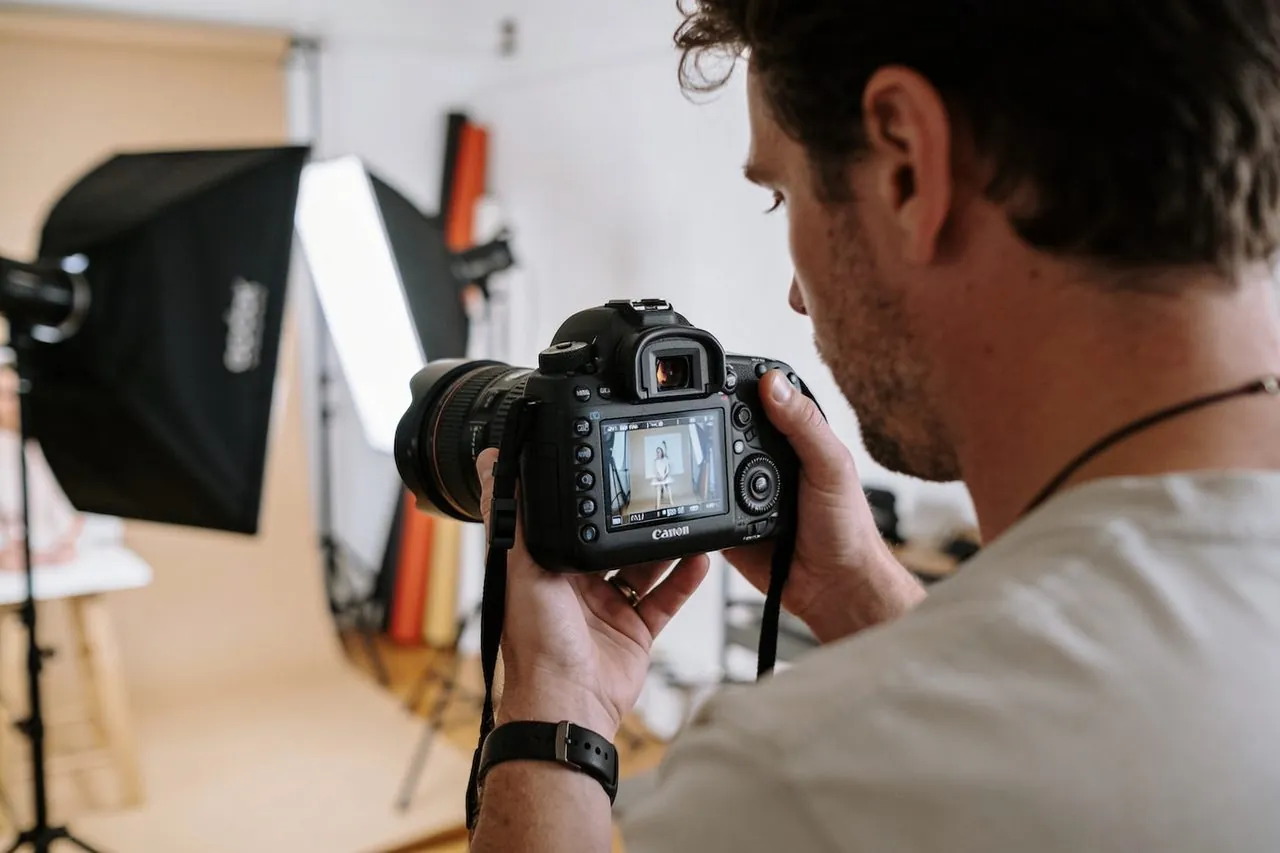
A photography business pairs expensive, fast-depreciating gear with lumpy, project-based income, which shapes what funding makes sense. Camera bodies, a lens lineup, lighting, backdrops, drones, editing workstations, and storage add up quickly, and the tools that win better-paying clients often cost the most. Many photographers also carry studio rent or build out a dedicated shooting space.
Income rarely arrives evenly. Weddings and events cluster in season, retainers and deposits land before the work, and final payments trail after delivery, so a strong year can still have tight months. That timing gap is the real challenge, and it's why the smartest funding either buys gear that raises your booking rate or smooths the space between deposits and final payments. Your deposit history across busy and quiet months is what funders read as cash flow.
What funding options fit photographers best?
The strongest fit depends on what you're funding. A few that work well for photographers:
- Equipment financing — for camera bodies, lenses, lighting, drones, or an editing workstation, where the gear itself secures the funding and spreads the cost over its working life.
- Business line of credit — draw as you need it to cover a slow stretch, front costs on a big shoot, or grab a gear deal, then repay and reuse. Ideal for uneven, project-based income.
- Term loan — a lump sum for a bigger move like a studio build-out, a full kit upgrade, or a second shooter setup, repaid on a set schedule.
- Invoice-based options — if you bill clients and wait on final payments, financing tied to those receivables can bridge the gap until they clear.
How does a photographer qualify for funding?
Most funders want to see consistent revenue, a few months of business bank statements, and time in operation. Because photography income is project-based, funders look at your deposits across several months to see the pattern behind the lumps, so a steady flow of bookings and payments often tells a more convincing story than any single month. A solid booking calendar reads as reliable cash flow.
Credit matters, but it isn't the whole picture for cash-flow funders. If your score is less than perfect, you still have real paths forward — see funding with bad credit. Having your documents ready (bank statements, ID, voided check) speeds everything up. As a broker, The Broker Shop doesn't lend — it matches you to the funders whose guidelines you meet.
How does matching through a broker work?
The Broker Shop is a funding broker, not a funder. You submit one short application, and instead of applying to funders one at a time, you get matched to the ones whose guidelines your photography business actually fits. Funders compete for your business, and you compare the strongest offers side by side.
The service is free to you as the applicant, and checking your options won't affect your credit score. If you want to understand the model first, read how a business funding broker works, then explore the full menu of small business funding options before you apply.
See what you qualify for
One 2-minute application is matched to the funders whose guidelines you meet. It's free, and checking your options won't affect your credit score.
See What I Qualify For →The bottom line: Photography runs on great gear and uneven income, and the right funding handles both — one 2-minute application matches you to the funders whose guidelines you meet, free, without affecting your credit score.