
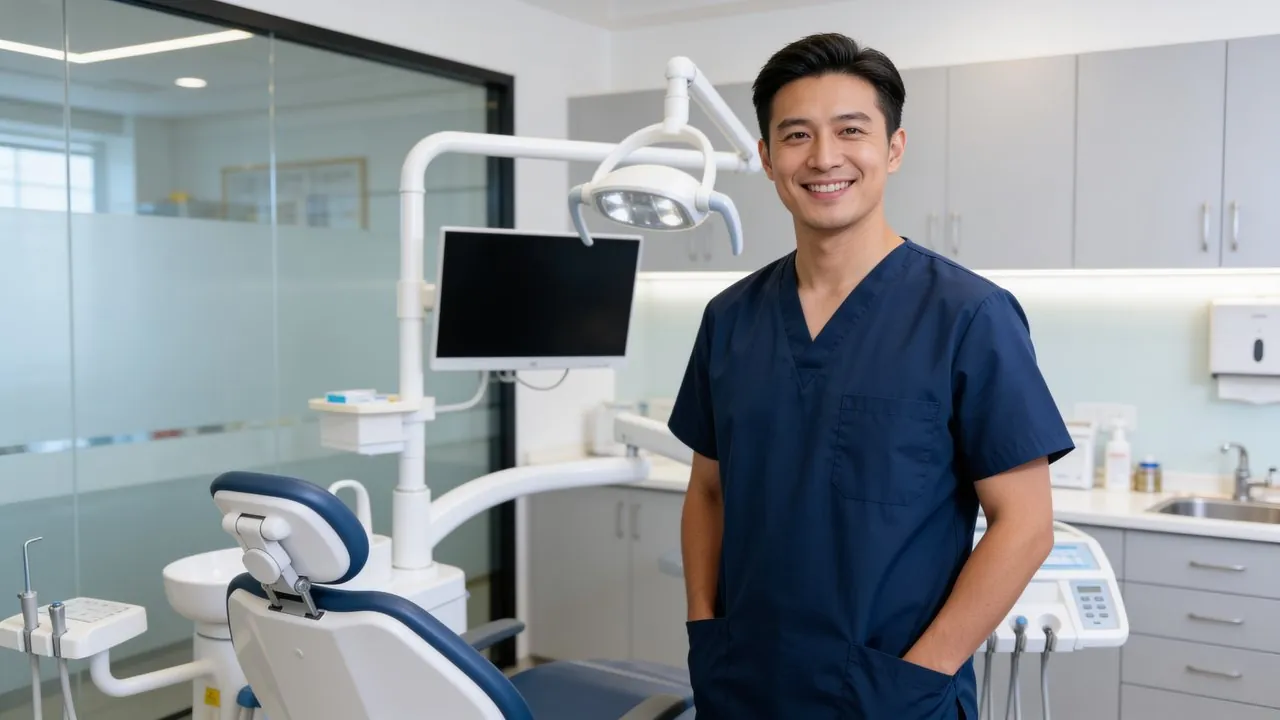
Orthodontics is a high-cost, long-cycle specialty: you buy expensive clinical hardware up front, then collect from each patient slowly across an 18-month treatment plan. That mismatch between when you spend and when you get paid is the core funding challenge, and there is a product built for almost every piece of it. Here is how orthodontists actually finance gear, cash flow, and growth, and how working with a broker gets you matched to the funders whose guidelines you meet.
Equipment financing for 3D imaging, scanners, and an in-house lab
Few practices are as equipment-heavy as an orthodontic office. CBCT and 3D imaging, intraoral scanners, treatment chairs, and increasingly a full in-house aligner and 3D-printing lab all carry serious price tags. Equipment financing is built for exactly this: the gear you are buying typically serves as the collateral, so you usually do not have to pledge other assets to get approved.
Because the asset secures the loan, this is often one of the more accessible ways to fund a practice, and it lets you spread the cost of a scanner or a printing setup over the years it will actually be earning instead of draining your cash in one hit. When bringing aligner production in-house or upgrading imaging is the goal, this is usually the first product to look at.
A line of credit for revenue spread across long treatment plans
Orthodontists do not get paid all at once. A case starts with a big clinical and lab investment, then the patient pays it down over many months, so your revenue is always spread thin even when the schedule is full. A business line of credit is built for that kind of gap. You draw what you need to cover payroll, lab supplies, and overhead while balances are still being collected, then pay it back down as payments come in.
Used this way, a line of credit is a flexible cushion rather than a one-time loan, which fits the rhythm of a practice where money is owed but not yet in the door. It is there for the lean stretches and stays out of your way when collections catch up.
Build-outs and a second location: term loans and SBA
Adding operatories, opening a satellite office, or acquiring a retiring orthodontist's practice are bigger, longer plays, and they call for longer money. A term loan gives you a fixed lump sum repaid over a set schedule, which suits a one-time build-out or expansion you can plan around.
For a practice acquisition or a major second-location build, an SBA loan is often the cheapest long-term option, with longer repayment timelines that keep the monthly number manageable while you grow into the space. The tradeoff is more paperwork and a slower process, so it fits planned moves rather than anything urgent.
Why a broker fits a specialty practice like yours
Orthodontics is a niche, and not every funder understands a balance sheet full of clinical equipment and revenue tied up in long-running treatment plans. The advertised range here runs from $5,000 to $2 million, and the right product depends on whether you are buying a scanner, smoothing out cash flow, or opening a second office. Rather than applying to funder after funder, you fill out one 2-minute application and we match you to the funders whose guidelines you meet.
From there you compare the strongest offers side by side and pick what fits, with no obligation. Checking your options won't affect your credit score, and the service is free to you as the applicant, so it costs nothing to see where a specialty practice like yours actually stands.
See what you qualify for
One 2-minute application is matched to the funders whose guidelines you meet. It's free, and checking your options won't affect your credit score.
See What I Qualify For →The bottom line: Whether you are buying a scanner, bringing your aligner lab in-house, or opening a second office, there is a funding product that fits, and one short application gets you matched to the funders whose guidelines you meet.