
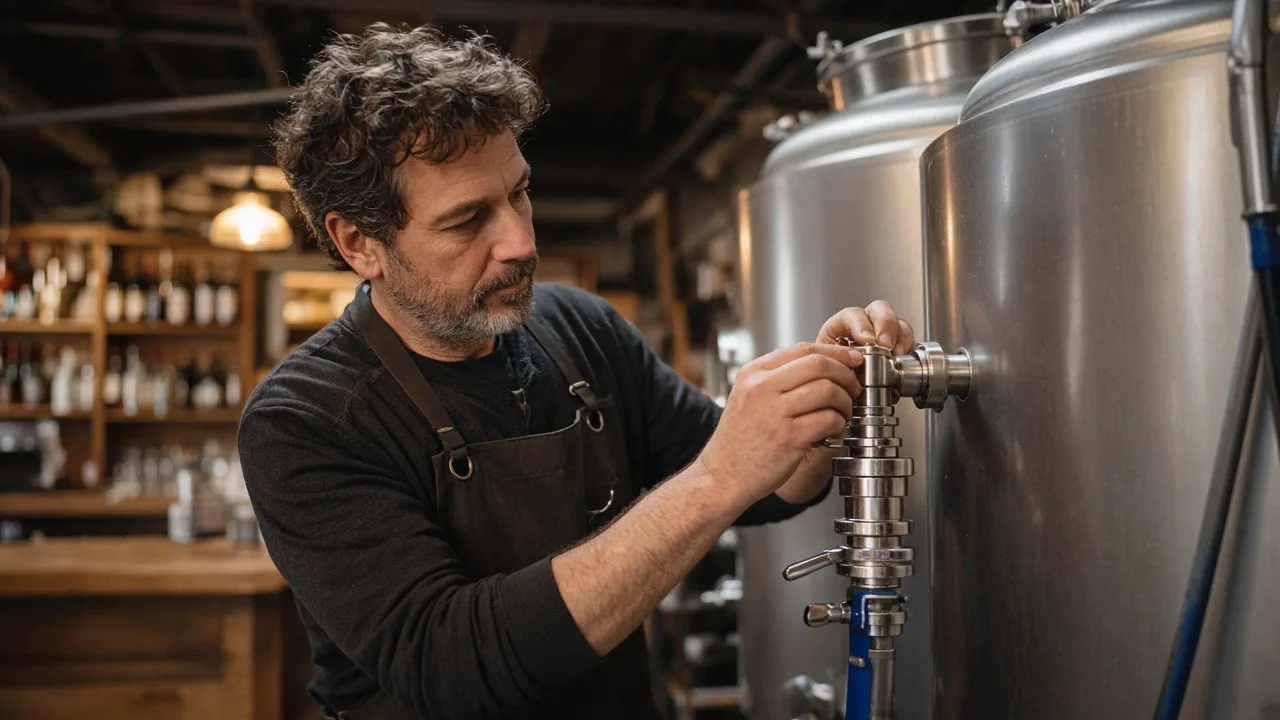
Running a craft brewery means writing big checks long before a single pint pours. You buy fermenters, a brewhouse, and a canning line up front, sink cash into a taproom build-out, then wait weeks while a batch conditions and packages before it ever sells. That gap between spending and revenue is brutal, and it is exactly the shape of business funding products are built for. The Broker Shop matches you to the funders whose guidelines you meet so you are not cold-calling banks between brew days.
Equipment financing for fermenters, the brewhouse, and canning lines
Brewing is capital-heavy, and that works in your favor when it comes to funding. With equipment financing, the gear you are buying serves as the collateral, so the funder is securing the deal against the fermenters, the brewhouse, the glycol chiller, or the canning line itself. Because the asset backs the loan, approval tends to be more accessible than an unsecured option, and you keep cash in the bank instead of dropping a huge sum on stainless steel all at once.
It also lets you match the cost to the payoff. A new canning line or an extra row of fermenters expands what you can produce, and financing spreads that cost over the working life of the equipment while it earns revenue from the first batch. For a brewery adding capacity to keep up with taproom demand or a growing distribution list, that is usually the smartest way to scale without draining your accounts.
A line of credit for ingredients, packaging, and the long lead before a batch sells
The cash-flow reality of brewing is that you pay for malt, hops, yeast, cans, and labels weeks before the finished beer generates a dollar. A business line of credit is built for exactly this rhythm. You draw only what you need to buy the next round of ingredients and packaging, then pay it back down as the batch sells through the taproom and to distributors.
Think of it as a buffer you set up while sales are strong so it is there when you need to buy inventory ahead of a big seasonal release or lock in a hop contract. You only carry a balance on what you actually use, which makes it a flexible tool for smoothing out the constant gap between ingredient spend and beer that has finally cleared the tanks.
Taproom build-outs, distribution ramps, and daily card sales
Opening or expanding a taproom is its own funding challenge: tap systems, a bar, seating, coolers, and permits all cost money before the doors open. A term loan or line of credit can cover a build-out, while a fast-moving distribution ramp, where you are fronting cans to accounts that pay later, may call for something that turns near-term sales into working capital now.
If your taproom runs a steady stream of card transactions, a merchant cash advance is worth understanding. Repayment flexes with a slice of your daily card sales, so it eases back during quiet winter weeks and moves faster during festival season and summer crowds. It is priced higher for that speed and flexibility, so it fits short-term needs rather than long-term equipment, but for a brewery with strong taproom volume it can bridge a gap quickly.
How the broker match works
Here is the part that saves you the headache. Instead of applying to funder after funder and racking up rejections, you fill out one 2-minute application and The Broker Shop matches you to the funders whose guidelines you meet. You compare the strongest offers side by side and pick what fits, whether that is equipment financing for the brewhouse, a line of credit for ingredients, or a combination.
It is free to you as the applicant, and checking your options will not affect your credit score. As a broker, The Broker Shop does not lend the money itself; it does the legwork of finding the right funders so you can get back to brewing instead of chasing paperwork. Advertised funding runs from $5,000 to $2 million, so the same application works whether you need a small equipment upgrade or a full taproom expansion.
See what you qualify for
One 2-minute application is matched to the funders whose guidelines you meet. It's free, and checking your options won't affect your credit score.
See What I Qualify For →The bottom line: Breweries burn cash on equipment and ingredients long before beer sells, so match equipment financing, a line of credit, and daily-sales options to the funders whose guidelines you meet, all from one 2-minute application.