
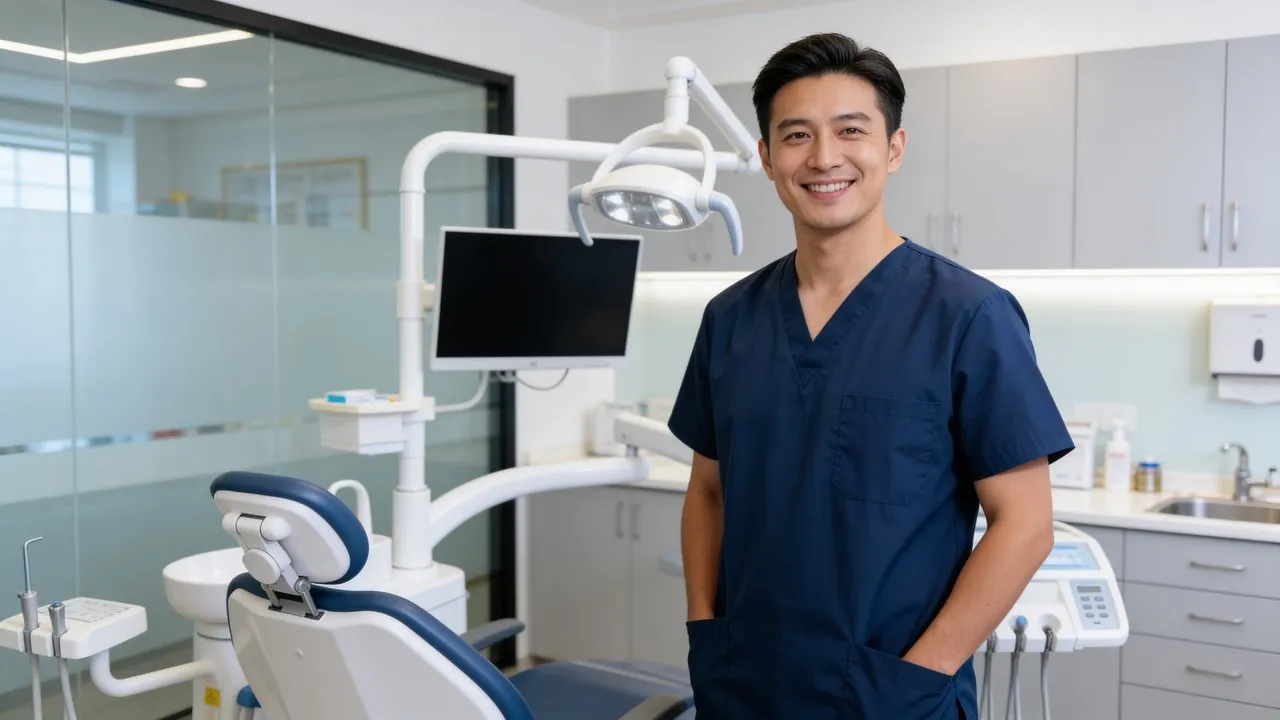
Medical and dental practices carry high equipment costs and slow insurance reimbursement — a combination most funders price poorly. The Broker Shop works with the right funders that fund practices, from equipment to working capital to acquisition, matched to your situation.
Medical and dental practices have unique funding needs: imaging machines and chairs that cost six figures, insurance reimbursement that arrives 30-90 days after service, and acquisition opportunities that demand large capital. The right funder understands healthcare cash flow; the wrong one treats you like any small business. Here's how practice funding works.
Why one funder misprices a medical practice
A generic funder sees a practice's insurance-reimbursement lag as cash-flow instability and high equipment costs as risk. Healthcare-focused funders see the opposite: predictable reimbursement and equipment that retains value. The difference in how you're underwritten — and priced — is enormous. Going to one generic funder leaves that advantage on the table.
One funder = generic underwriting
They treat reimbursement lag as instability and big equipment as risk, declining you or pricing high — missing how healthy practice cash flow really is.
the right funders = practice-aware funding
Equipment financing for imaging and chairs, working capital for reimbursement gaps, acquisition capital for buying in or out — matched to healthcare cash flow and negotiated.
Going to one funder vs. The Broker Shop
| What matters | Going to one funder | The Broker Shop |
|---|---|---|
| Understands reimbursement cycles | Often not | Funders built for healthcare cash flow |
| High-cost equipment | Priced as risk | Specialty funders, competitive rates |
| If generic underwriting trips up | Declined or overpriced | Routed to a practice-friendly funder |
| Who negotiates | No one | We do, across the right funders |
| Cost to you | Varies | $0 — the funder pays our fee |
Practices are strong borrowers — to the right funder
Predictable insurance reimbursement and equipment that holds value make a practice a great borrower — to healthcare-aware funders. Generic ones miss it and overcharge. The right match gets you low-rate equipment financing and working capital that bridges reimbursement cleanly. Medical gear is a thin resale market, which is exactly where the choice of equipment finance company changes the terms most.
The Broker Shop matches your file to the funders whose guidelines you meet, finds the ones that understand practices, and negotiates the terms. Free to you.
Find a Funder for My Practice →What are the best funding options for medical and dental practices?
The best funding options for medical and dental practices are equipment financing for imaging, chairs and lasers, a line of credit or working capital to bridge insurance reimbursement, an SBA 7(a) or term loan to buy into or acquire a practice, and a term loan for an office build-out. The best option is the one whose structure matches the specific need.
Practices tend to get the worst terms when one product is stretched to cover every need, for example a short-term advance used to buy a ten-year piece of equipment. Matching the product to the use keeps payments in line with the cash the purchase actually produces:
| Option | Best for | How it is repaid | What funders look at |
|---|---|---|---|
| Equipment financing | Imaging, dental chairs, lasers, sterilization and lab gear | Fixed payments over a term tied to the equipment's useful life | The equipment's value, practice revenue, time in business |
| Line of credit | Insurance reimbursement gaps, payroll in a slow month | Interest only on what you draw; balance repays and reopens | Steady deposits, collections history, credit profile |
| SBA 7(a) loan | Buying into or acquiring a practice, larger expansions | Long fixed schedule; more paperwork and a longer wait | Cash flow to cover payments, owner experience, collateral |
| Term loan | Office build-out, second location, consolidating costlier debt | Fixed payments over a set term | Revenue, time in business, existing debt |
| Receivables-based funding | Smoothing a large insurance or payer backlog | Advanced against outstanding claims as they pay | Payer mix and claim payment history |
For acquisitions, the SBA lists a change of ownership as an eligible use of a 7(a) loan, and 7(a) loans go up to $5 million, which is why buy-ins and practice purchases so often run through that program. For equipment specifically, the best equipment financing companies guide compares the four types of equipment funder side by side.
What actually determines your cost
For medical practice funding, these factors decide your cost:
- Right product per need — equipment financing for machines, working capital for reimbursement gaps.
- How many funders compete — one generic quote vs. 50+ funders including healthcare specialists.
- Equipment value — imaging and dental gear hold value, earning good rates.
- Practice revenue and history — steady reimbursement supports strong terms.
- Whether anyone negotiates — a broker beats generic underwriting.
Compare equipment financing for medical gear, or all funding options. For an operatory build-out or office refit, see renovation funding for a business.
What factors should you compare between medical practice funding options?
Compare medical practice funding options on six factors: the total dollar cost over the full term, whether the term matches the life of what you are buying, how payments are structured, any prepayment fees, what collateral or personal guarantee is required, and how fast the money arrives relative to when you need it. Good terms come from comparing all six, not the headline rate alone.
Cost surprises are common in small-business borrowing. In the Federal Reserve Banks' 2026 Small Business Credit Survey, 60% of employer firms that borrowed from online lenders reported higher-than-expected costs, compared with 37% at small banks and 32% at large banks. The fix is to put every offer in the same terms before you choose:
- Total cost in dollars: what you repay in total minus what you receive, after origination and other fees.
- Term vs. useful life: a seven-year imaging lease on equipment you will replace in five years means paying for gear you no longer use.
- Payment structure: a fixed monthly payment is easier to plan around reimbursement than a daily or weekly debit.
- Prepayment: whether paying early saves money or triggers a fee, which matters if a large insurance settlement may let you pay down the balance.
- Collateral and guarantees: whether the equipment alone secures the deal or a blanket lien and personal guarantee are required.
- Speed: SBA approvals take longer, so plan an acquisition timeline around them rather than paying more for speed you do not need.
A funding broker helps here because several offers arrive at once and can be laid side by side on the same factors. The Broker Shop is a broker, not a funder; it does not lend, and it is free to you as the applicant.
Frequently asked questions
See what you qualify for
One 2-minute application is matched to the funders whose guidelines you meet. It's free, and checking your options won't affect your credit score.
See What I Qualify For →Sources: U.S. Small Business Administration, 7(a) loans (changes of ownership as an eligible use; $5 million maximum) · Federal Reserve Banks, 2026 Report on Employer Firms (Small Business Credit Survey) (60% of online-lender borrowers reported higher-than-expected costs, versus 37% at small banks and 32% at large banks).
Want exact figures for your situation? Try our free DTI calculator and loan calculator to check the math before you decide.