
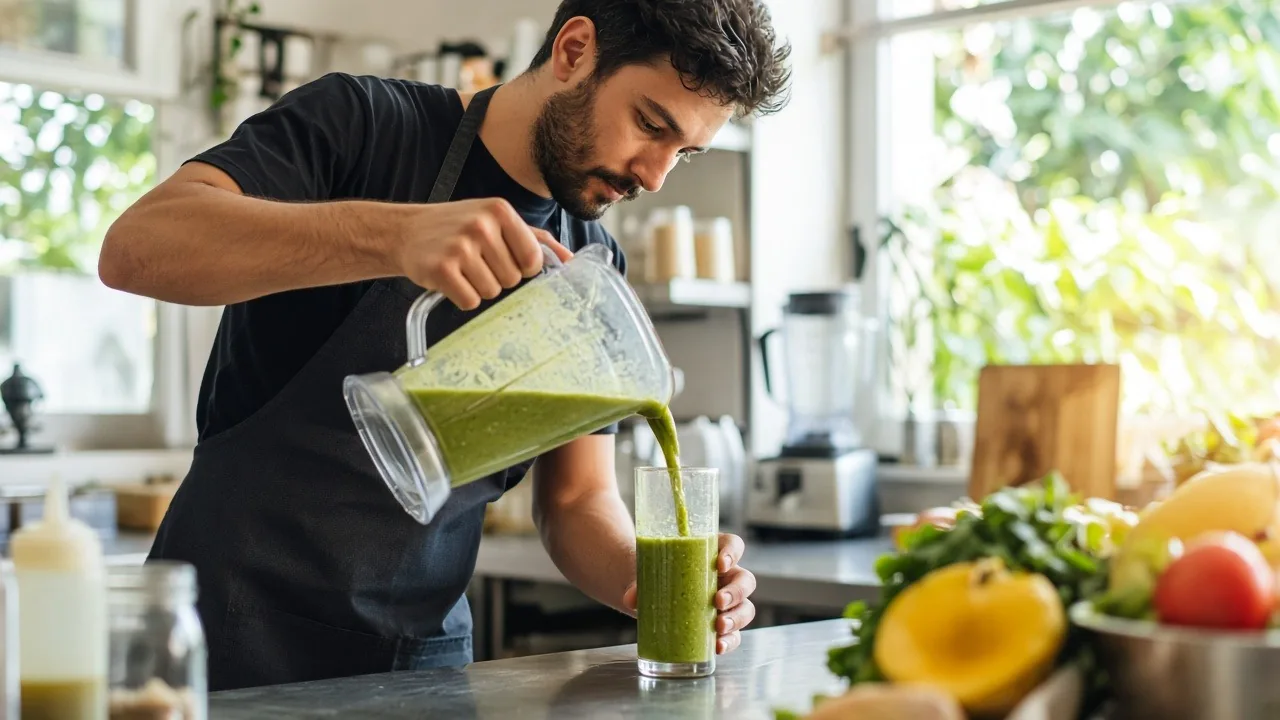
Smoothie shop funding usually pairs equipment financing for blenders, freezers and build-out with a line of credit or working capital for produce, cups and slow seasons. The Broker Shop is a broker, not a lender: one 2-minute application compares offers from 50+ funders, and checking your options won't affect your credit score.
What funding fits a smoothie shop best?
Equipment financing fits the machines, a line of credit fits the weekly produce and supply bill, and a term loan fits a build-out or second location. Matching the product to the purchase keeps each payment tied to the revenue it creates.
A smoothie shop's costs split into two very different kinds. The first is durable: commercial blenders, under-counter and walk-in freezers, a reach-in cooler, a point-of-sale system and the counter build-out. Equipment financing is built for these because the equipment itself backs the deal. The second is recurring: frozen fruit, greens, protein, cups, lids and straws bought every week whether sales are strong or not. A business line of credit suits that, since you draw only what you need and the balance resets as you pay it down.
What does it cost to keep a smoothie shop stocked and running?
Beyond the equipment, a smoothie shop carries a perishable and cold-chain cost that a retail store does not. The freezer is not optional, because frozen fruit is the core ingredient and a failed compressor can mean a full day of lost product plus the cost of replacing it.
Seasonality matters more than most owners expect. Summer and the January resolution rush tend to be the busy stretches, while the cold months can run thin, so deposits swing even when the business is healthy. Funders read that pattern on your bank statements, which is why a shop with two or more years of history is easier to place than a brand-new one. If you are planning a second location, a kiosk or a mobile cart, a business term loan can cover the fixed build-out cost, while a line of credit handles the opening inventory. Related food businesses face the same pattern; see our guides for juice bars, coffee shops and food trucks.
How does a smoothie shop qualify for business funding?
Funders mostly look at your business bank deposits, time in business, and any existing advances or loans. Most ask for three to six months of statements, basic ownership details and, for equipment, a written quote.
Delivery apps and card processors both show up in those statements, and many smoothie shops get a large share of sales through them. Steady daily deposits support a revenue-based product, while a signed lease and a quote for the equipment strengthen an equipment request. Newer shops with limited history can still find options, usually equipment financing first, though offers tend to be smaller. No approval, amount or timeline is guaranteed until a funder makes an offer.
How much of the amount you ask for will you actually get?
Many applicants do not get everything they ask for. In the Federal Reserve Banks' 2026 Report on Employer Firms, 42% of small-business applicants received the full amount of financing they sought, 36% received some or most of it, and 22% received none.
For a smoothie shop owner, that is a reason to ask for the amount a specific purchase needs rather than a round number, and to compare more than one offer. Because The Broker Shop works with 50+ funders, a single application shows which of them are a fit, so a decline from one source does not end the search.
How does a smoothie shop get matched to a funder?
You complete one 2-minute application, and The Broker Shop matches you to the funders whose guidelines you meet, so you compare offers side by side instead of applying one funder at a time.
It is free to you as the applicant. As a funding broker, The Broker Shop does not lend the money itself; it creates competition between funders. Funding ranges from $5,000 to $2 million depending on the funder and your business, which leaves room for anything from a new blender line to a second shop.
See what you qualify for
One 2-minute application is matched to the funders whose guidelines you meet. It's free, and checking your options won't affect your credit score.
See What I Qualify For →The bottom line: Match equipment financing to the blenders and freezers, a line of credit to produce and supplies, and a term loan to a build-out, then compare funders from one 2-minute application.
Frequently Asked Questions
Sources: Federal Reserve Banks — 2026 Report on Employer Firms, Small Business Credit Survey (42% of applicants received the full amount sought; 36% some or most; 22% none)