
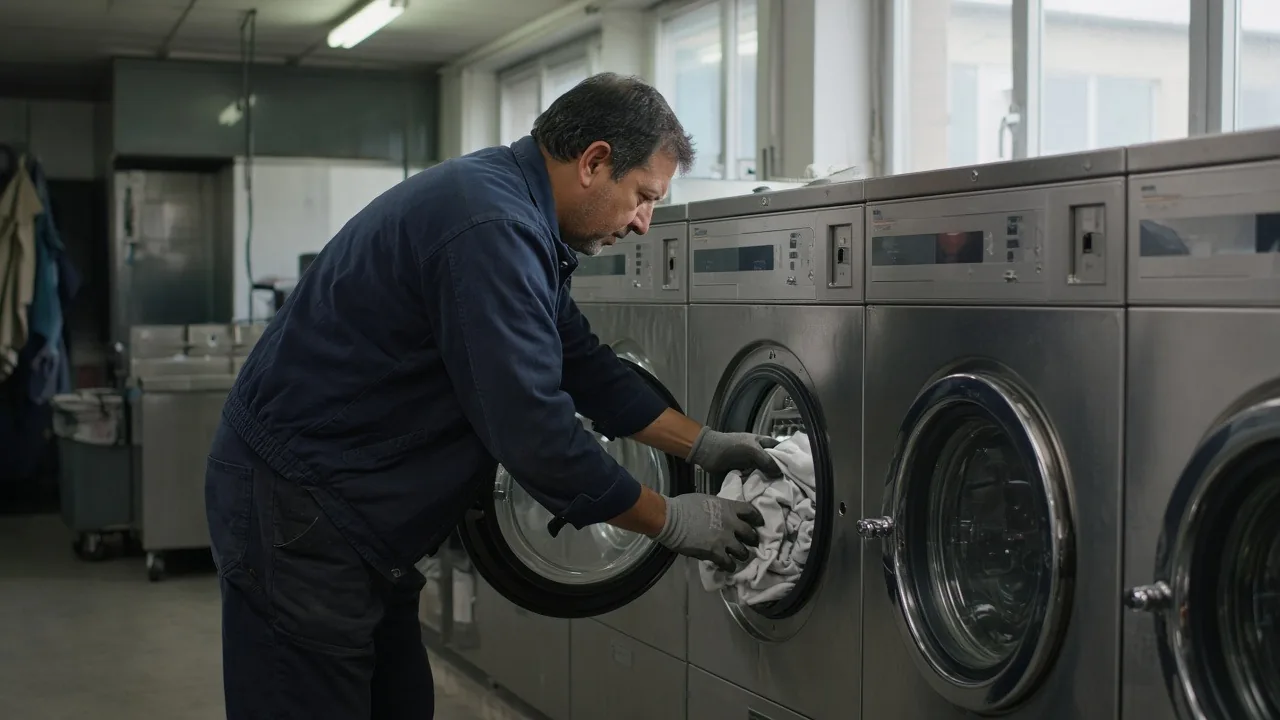
Yes — laundromats can get business funding, and equipment is usually the centerpiece. Because a store runs on commercial washers and dryers, heavy utility bills and a long lease, funders focus on steady deposits and what the equipment will earn. One 2-minute application matches you to the funders whose guidelines you meet.
Why is funding different for a laundromat?
A laundromat is one of the more equipment-intensive small businesses. A row of commercial washers and dryers, payment kiosks, plumbing, venting and gas or electric service make up most of the startup or upgrade cost, and the lease is often long. Revenue arrives in small coin, card and app payments all day, which makes deposits fairly steady once a store is established.
That steadiness is a strength when you apply, because funders read bank statements first. The cost side is heavy as well: water, gas and electricity are the main running expenses, so efficiency upgrades can matter as much as capacity.
What funding options fit laundromats best?
Match the product to the purchase. Equipment is a different need from a build-out or a slow month.
- Equipment financing: for washers, dryers and kiosks, with the machines serving as collateral.
- Business line of credit: for repairs, supplies and short gaps between a purchase and the revenue it brings in.
- Merchant cash advance: a faster option when timing is urgent, repaid from receipts and generally costlier, so compare offers.
How does a laundromat qualify for funding?
Funders typically want recent bank statements, a minimum time in business, a copy of your lease and a quote for the equipment you plan to buy. A store with several months of steady deposits matches with more funders than a brand-new location, though newer stores can still be matched on other guidelines.
Owners buying an existing store often add the seller’s financial statements and the transfer terms of the lease. Checking your options won’t affect your credit score, so you can see what is available before committing.
Is energy-efficient equipment worth financing?
It can be, because utilities are the biggest recurring cost. ENERGY STAR reports that certified commercial clothes washers are on average 9% more efficient and use about 45% less water than standard models. Lower water and energy use does not change what a machine costs to buy, but it can reduce monthly operating cost over its life.
When you compare quotes, ask the dealer for the efficiency rating and the expected utility use of each model, then look at purchase price and running cost together. Financing the more efficient machine spreads its higher price over the same months you collect the savings.
Can you fund a new laundromat or buy an existing one?
Yes, though a new store has no deposit history, so funders lean on your credit, your plan and the equipment itself. Buying an existing laundromat usually gives you the seller’s records to show, which can open more options. Be careful with the lease: a short remaining term can limit what a funder will approve for a build-out.
How does matching through a broker work?
The Broker Shop is a funding broker, not a lender. You complete one short application and we send it to the funders in our network whose guidelines fit a laundromat, so they compete for the business. You compare offers side by side before choosing. For the full list of products, see all small-business funding options.
Upgrade the machines before they cost you customers
A dead washer is a lost customer. One 2-minute application is matched to the funders whose guidelines you meet. It's free, and checking your options won't affect your credit score.
See What I Qualify For →The bottom line: Laundromats win by financing efficient equipment and protecting cash flow through repairs and slow months — one 2-minute application matches you to the funders whose guidelines you meet.
Frequently asked questions
Sources: ENERGY STAR — Commercial Clothes Washers (certified models on average 9% more efficient and about 45% less water than standard models); Federal Reserve Banks — 2026 Report on Employer Firms, Small Business Credit Survey (38% of firms applied for a loan, line of credit or merchant cash advance in the prior 12 months; 42% of applicants received the full amount sought)