
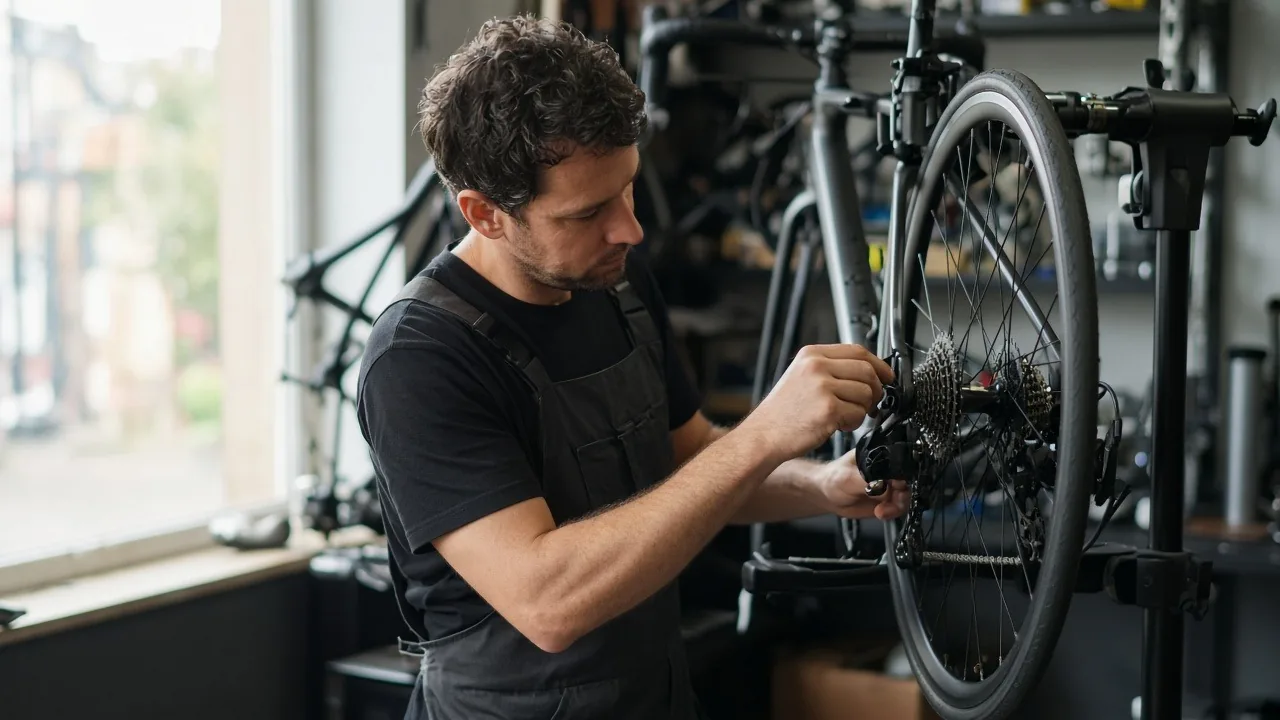
Yes — bicycle shops can get business funding, and most of it pays for preseason inventory ordered months before riders show up, higher-priced e-bike stock and repair-bay equipment. A line of credit, inventory or equipment financing and revenue-based advances each fit a different need. One 2-minute application matches you to the funders whose guidelines you meet.
Why is funding different for a bike shop?
A bike shop pays for its season before the season pays it back. Preseason orders for bikes, frames and parts are typically committed in fall and winter for spring delivery, while most sales land between April and August. The service bench smooths the year, but a cold or wet spring can push the whole retail curve back by weeks.
Most shops are also small. Census Bureau data for sporting goods stores — the industry category that includes bicycle dealers — counts 15,425 firms, of which 14,243, or 92.3%, employ fewer than 20 people, and 8,843 employ fewer than five. Funders that work with retail see this shape of business constantly, so a seasonal deposit pattern is expected rather than a red flag, as long as the statements show the full year.
Which funding options fit a bicycle shop?
Match the product to what you are paying for and how long it takes to pay back. A truing stand that works for ten years is a different need from a spring order that sells through by July.
- Business line of credit: draw as preseason deliveries arrive, repay from spring and summer sales, redraw next year. The closest fit for funding inventory purchases that repeat every season.
- Equipment financing: repair stands, wheel-building and truing tools, e-bike diagnostic gear and a fit studio, repaid over the equipment's working life. See how equipment financing works.
- Revenue-based financing or a merchant cash advance: fast money repaid from deposits for a short gap, such as a delayed shipment or a broken compressor in June. Quick, but the costliest per dollar, so keep it for genuine short needs; compare how revenue-based financing works first.
- Term loan or SBA 7(a): a buildout, a second location or buying an established shop. Slower, with more paperwork, and usually the cheapest money for long-lived spending.
Most shops use two of these at once: a line for the season and an equipment term for the bench.
How to fund preseason inventory without squeezing summer cash
Fund the order as it arrives, not the day you sign it. A revolving line drawn against each delivery and paid down as bikes sell means paying for money only while it is actually out, instead of carrying a lump sum from January through a slow spring.
A simple illustration: a shop commits to $90,000 of bikes, parts and accessories, delivered in three $30,000 shipments in March, April and May. Drawing on a line as each shipment lands, the balance peaks at $90,000 only in late May and falls as summer sales come in. Borrowing the full $90,000 as a lump sum in January would mean paying for the whole amount for four months before the first bike even arrives. Higher-priced e-bikes make this matter more: each unit on the floor ties up more cash for as long as it waits for a buyer, so order depth on e-bikes deserves its own line in the plan. If a lump sum is the only offer, the seasonal business funding guide covers how to size it against your slowest months.
What do funders look at, and how should a bike shop prepare?
Funders read your deposits, your season and your credit, so give them a full year rather than your best quarter. Twelve months of business bank statements show both the spring peak and the winter trough; three months taken in August make the shop look bigger than it is, and three taken in February make it look smaller.
Expect to show recent bank statements, the last two years of tax returns, a current inventory list with vendor terms, and, for equipment, a written quote. Keep service and retail revenue flowing into one business account, and be ready to explain a weather year that skewed the numbers. The Broker Shop is a funding broker, not a lender: one application goes to the funders among our 50+ partners whose guidelines you already meet, so they compete for the deal and you compare offers on total cost and payment schedule. Checking your options won’t affect your credit score. Thinking of buying a shop instead of opening one? Start with how business acquisition funding works.
Line up spring inventory money before the orders ship
Preseason orders come due months before the bikes sell. One 2-minute application is matched to the funders whose guidelines you meet. It's free, and checking your options won't affect your credit score.
See What I Qualify For →The bottom line: Bike shops do best funding each season’s inventory with a line drawn as deliveries arrive, financing long-lived shop equipment over its working life, and keeping faster, costlier money for genuine short gaps — one 2-minute application matches you to the funders whose guidelines you meet.
Frequently asked questions
Sources: U.S. Census Bureau — Statistics of U.S. Businesses, 2022 Annual Data by Enterprise Employment Size (NAICS 451110 Sporting Goods Stores, which includes bicycle dealers: 15,425 firms; 14,243 with fewer than 20 employees; 8,843 with fewer than 5); U.S. Small Business Administration — 7(a) loans (eligible uses include changes of ownership, complete or partial; maximum loan amount $5 million).