
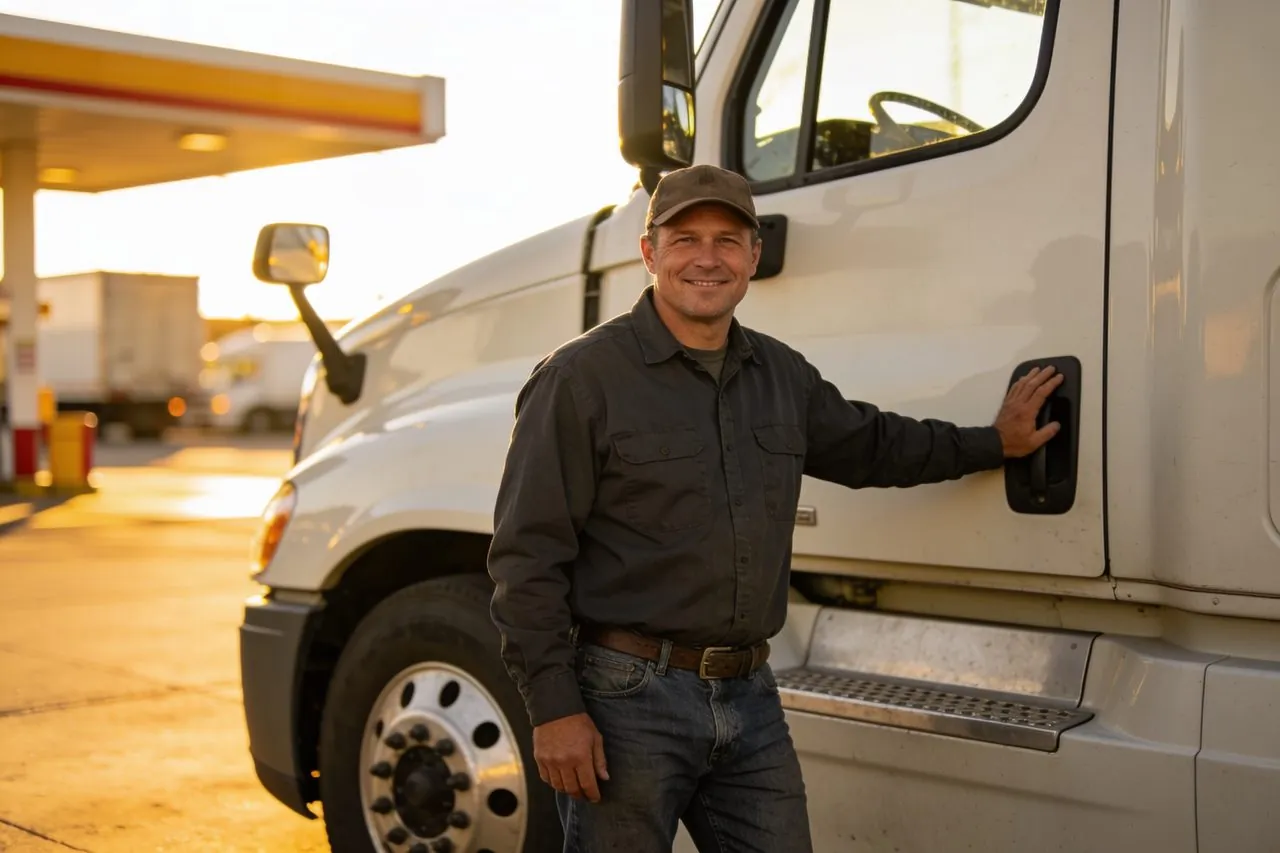
Trucking runs on assets and timing — a truck that costs six figures, fuel and repairs that hit before the load pays, and brokers who settle on their own schedule. Owner-operators and fleets fund differently than a retail shop, and matching the right product to the right need is the whole game.
Financing the truck itself
For the rig, equipment financing is usually the right tool: the truck is the collateral, so rates run lower than unsecured options, terms stretch 12 to 72 months, and there is no per-truck cap on building a fleet. A used truck can often be financed too — funders weigh the year, mileage, and condition. This keeps your cash free for fuel, insurance, and payroll instead of sinking it into a down payment.
Working capital between settlements
Owner-operators live in the gap between doing the work and getting paid. A short-term advance or a line of credit bridges fuel, repairs, insurance, and payroll while you wait on broker settlements. Revenue-based products underwrite on your bank deposits, so consistent settlement income matters more than a perfect credit score. A line of credit is the cleaner fit for a recurring gap — draw what you need, pay it back, reuse it.
Funding fleet expansion
Adding trucks and drivers is a growth investment, and it strains cash before it pays off. Equipment financing covers the new rigs; working capital covers the ramp — the weeks of fuel, insurance, and driver pay before the new trucks are fully booked. For larger, slower expansion, an SBA 7(a) loan offers the lowest long-term cost if you have strong financials and can wait two to six weeks to close. For the full menu of trucking company funding, from a first tractor to a ten-truck fleet, see our guide to trucking company funding.
Why a broker fits trucking
Trucking is an industry many funders treat cautiously, and each one has its own box — mileage limits, time-in-business floors, deposit minimums. The Broker Shop is a broker, not a funder: one application reaches the funders whose guidelines you meet, and you compare the equipment-financing offer against the working-capital offer side by side. Funding ranges from $5K to $2M depending on your revenue and the product, and it's free to apply.
See what you qualify for
One 2-minute application is matched to the funders whose guidelines you meet. It's free, and checking your options won't affect your credit score.
See What I Qualify For →The bottom line: Finance the truck with equipment financing, bridge settlement gaps with a line of credit or short-term advance, and fund expansion with the ramp in mind. One application matches you to the funders whose guidelines you meet — $5K to $2M, free to apply.