
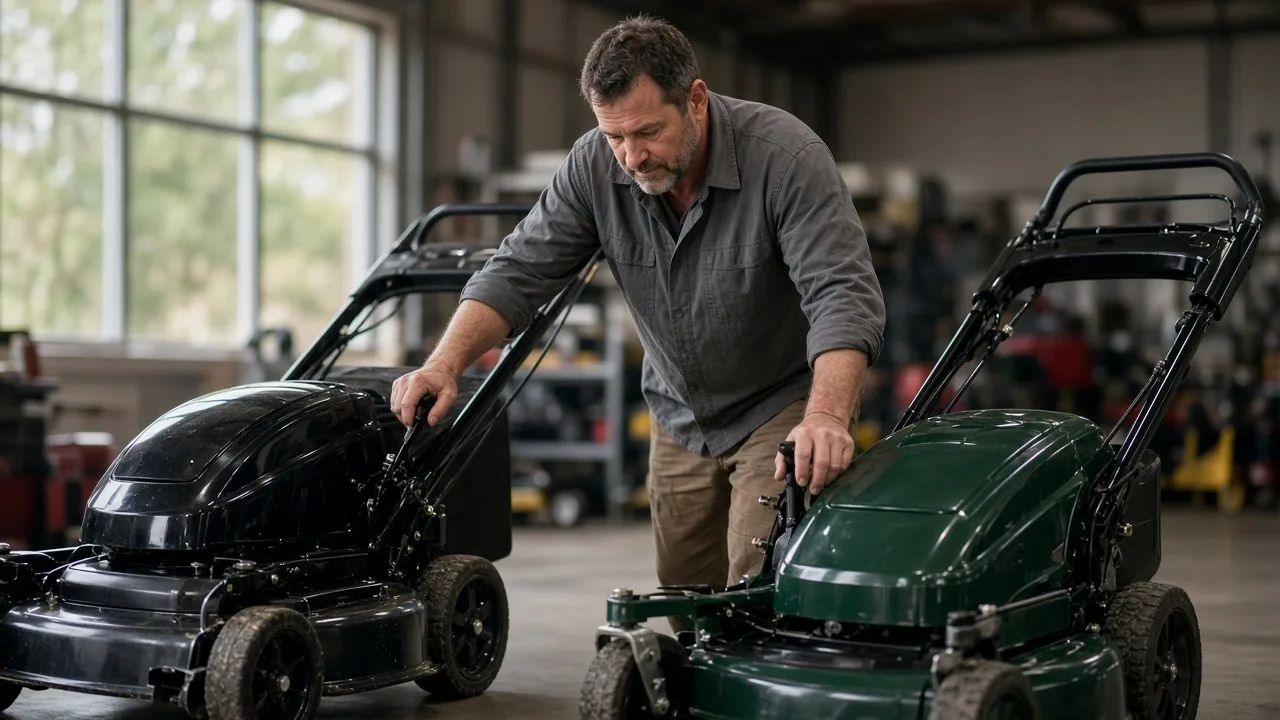
An equipment loan finances the purchase so you own the equipment once it is paid off. An equipment lease rents it for a set term, then lets you return, renew, or buy it. The best choice depends on how long you will use the equipment and how fast it becomes outdated.
How an equipment loan works
With an equipment loan, a funder finances the purchase and the equipment itself usually serves as collateral. You make fixed payments over a set term and own the asset outright at the end. Because the equipment secures the loan, this financing is often accessible even for newer businesses.
Ownership is the main appeal. If a machine, truck, or oven will stay useful for many years, buying it means you keep using it long after payments end — and you can sell it later to recover some value. Loans fit durable equipment that holds its usefulness over time.
How an equipment lease works
A lease is closer to renting. You pay to use the equipment for a term, then choose to return it, renew, or in many cases buy it for a final amount. Leases often require little or nothing up front, which keeps more cash in your business.
Leasing shines when equipment ages quickly or you only need it for a while. Technology, certain vehicles, and specialized tools that get outdated fast are natural lease candidates, because returning and upgrading is easier than reselling. The trade-off is that if you lease for years and never buy, you may spend more over time than an outright purchase would have cost.
Equipment loan vs. lease: how to decide
Ask how long you will realistically use the equipment and how quickly it loses value.
- Lean toward a loan for durable equipment you will use for years and want to own.
- Lean toward a lease for fast-aging technology or short-term needs where upgrading matters more than owning.
- Consider cash up front: leases often need less at signing, preserving working capital.
- Ask a tax professional about how each option affects your taxes — treatment can differ and we don't give tax advice.
There is no universal winner; the right answer follows the equipment and how you use it.
Comparing equipment offers
The Broker Shop is a broker, not a funder. One 2-minute application matches you to the funders whose guidelines you meet, so you can compare a loan against a lease for the same equipment without applying separately to each.
Seeing both structures side by side against your budget is the fastest way to pick the one you can carry. Checking your options is free and won't affect your credit score.
Going deeper on cost: this page covers the structural difference. For the full cost comparison — a worked $80,000 example, the Section 179 dollar limits, how approval difficulty differs between the two, and what the buyout clause at the end of a lease actually costs you — see our detailed guide to equipment financing vs leasing.
Frequently asked questions
Source: IRS Publication 946, How To Depreciate Property — the IRS reference for Section 179 expensing and depreciation of business equipment. We are a funding broker, not tax advisors; confirm treatment with a tax professional.
See what you qualify for
One 2-minute application is matched to the funders whose guidelines you meet. It's free, and checking your options won't affect your credit score.
See What I Qualify For →The bottom line: Finance equipment you will own and use for years; lease equipment that ages fast or you need only temporarily — and compare both structures for the same asset before choosing.