
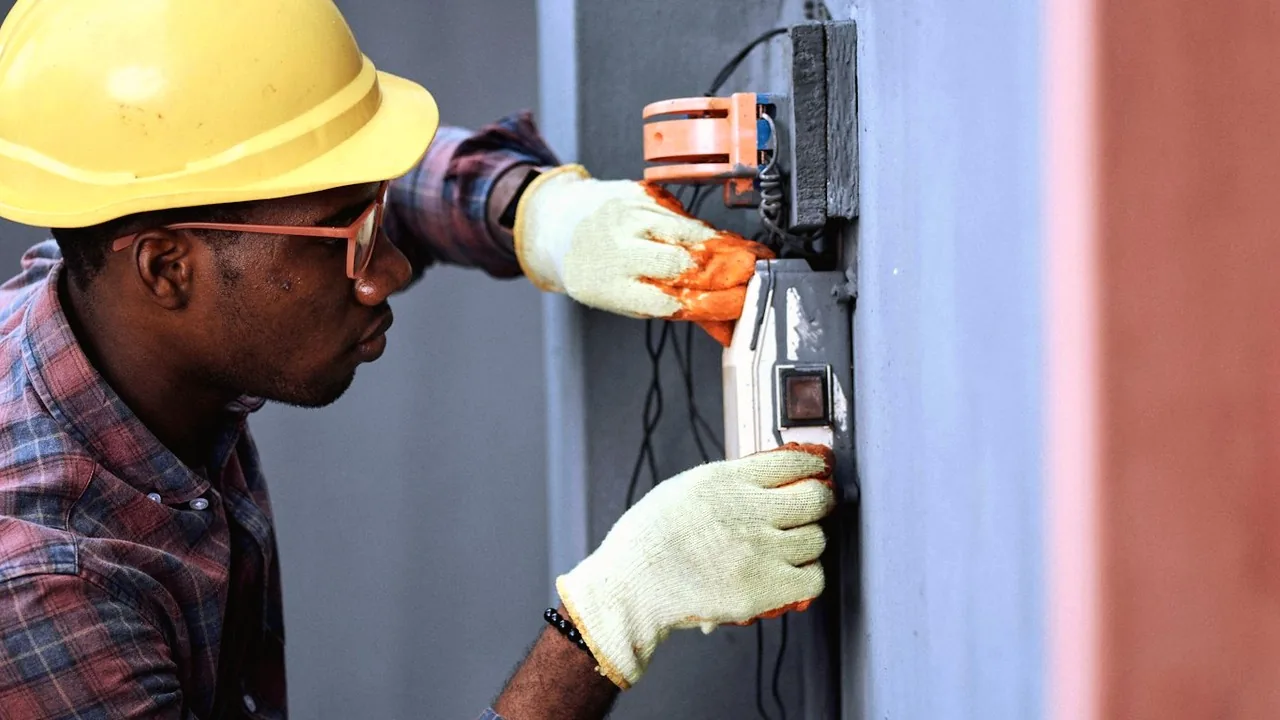
Electrical work runs on money you spend before you get paid. On a commercial job you float thousands in wire, conduit, gear, and devices, then wait to get paid in draws or on net terms while payroll comes due every week. Add vans, hand tools, test equipment, and the licensing and permit costs of staying compliant, and the cash flow gets tight fast. The Broker Shop is a funding broker, not a funder: you complete one short application and we match you to the funders whose guidelines you meet so you can compare real offers instead of chasing banks between jobs.
The cash-flow squeeze on electrical jobs
The hardest part of running an electrical contracting business is not the work, it is the float. Material costs land up front, and copper and gear are not cheap. On bigger commercial jobs you might wire half a building before the first draw is approved, and draws can be slow. In between, you are covering payroll, fuel, and the next job's materials out of your own pocket.
Then there are the costs that never stop: vans, hand tools, meters and testers, and the licensing and permit fees that keep you legal to work. None of that pauses while you wait on a draw. Funding for electricians has to handle two things at once: the equipment and tools you rely on, and the working-capital gap between spending on a job and getting paid for it.
Equipment financing for vans, tools, and test gear
When the need is a physical asset, equipment financing is usually the right fit. That covers service vans, a new bucket truck, power tools, and the meters and testers your crews depend on. The equipment typically secures the financing, so you spread the cost over the life of the gear instead of paying for it all in one hit, and you keep your cash free for materials and payroll.
This is the option to reach for when you are adding a crew, replacing a van that finally gave out, or buying test equipment a new contract requires. Because the asset backs the deal, it is generally one of the more affordable ways to fund real equipment, and the gear starts earning on jobs while you pay it down.
A line of credit and working capital for the gap between draws
For the float between buying materials and collecting on a draw, a business line of credit is the tool built for the job. You draw to cover wire, gear, and payroll, then pay it back down when the draw or the net-term invoice clears, and the credit is ready again for the next phase. You only carry a balance when you are actually using it, which fits the start-stop nature of commercial billing.
When a job demands a big material buy or you take on a contract bigger than your bank account, short-term working capital and revenue-based financing can bridge it. These fund quickly and are repaid out of incoming revenue, so they suit a defined gap or a fast opportunity rather than something you carry indefinitely. The skill is matching the size and speed of the need to the right product instead of forcing one option to cover everything.
How the broker match works for electrical contractors
Rather than applying to one funder after another and collecting declines, you fill out a single 2-minute application and let the matching happen for you. As a business funding broker, The Broker Shop looks at your situation and routes you to the funders whose guidelines you meet, then you compare the strongest offers in one place.
Checking your options won't affect your credit score, and the service is free to you as the applicant. The advertised funding range runs from $5,000 to $2 million, so whether you need a replacement van, test equipment, or capital to staff up for a larger commercial contract, the path is the same: get matched, compare real terms, and choose what fits your billing cycle.
See what you qualify for
One 2-minute application is matched to the funders whose guidelines you meet. It's free, and checking your options won't affect your credit score.
See What I Qualify For →The bottom line: Electrical work means floating materials and waiting on draws, so fund it accordingly: equipment financing for vans and test gear, a line of credit for the gap, and fast capital for big buys, all from one application.